
Your First Hotel Hot Tub Soak: A Complete Guide to Comfort and Safety
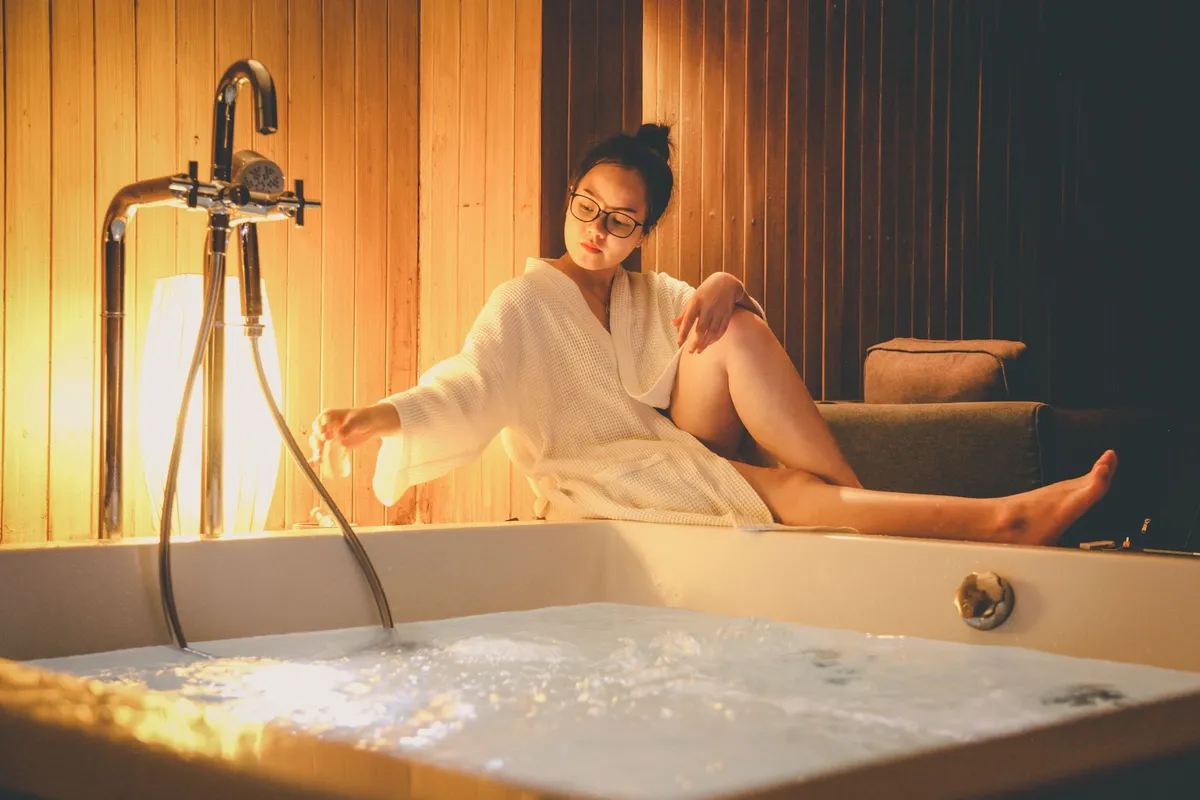
You booked the stay for one reason: the in-room private hot tub.
Maybe it’s your anniversary, a surprise getaway, or just a much-needed relaxing trip.
You’ve been picturing it for weeks.
Warm water, bubbles rising, jets working out the knots and kinks on the body, the lights turned low, and nowhere else to be.
Then the day comes. You check in, drop your bags, and there it is: the star of the trip - the HOT TUB.
Your first instinct is to fill it up and sink right in. Trust me, I did the same!
But take two minutes for a quick sanity check first. I wish someone had told me that.
How hot should the water be? What if it smells a little off? None of it is complicated, but knowing it up front makes sure the night turns out the way you imagined.
Before You Get In, Here Is What to Know
Know Your Tub
Short answer: With a jetted tub, the main thing is learning the controls. With a hot tub, the main thing is checking the water quality.
Not all hotel tubs are the same. There are two main types: jetted tubs and hot tubs.
A jetted tub is a bathtub with jets that offer different massage settings. You fill it with tap water, set the temperature, soak, and drain it after use. Most in-room tubs are jetted tubs.
A hot tub is usually pre-filled with treated water, often already warm. The water is not changed between guests. You’ll mostly find hot tubs in suites and on private patios.
Why does it matter? Jetted tubs have trickier controls, so it’s a good idea to ask the front desk how to use them. When I stayed at Hotel Indigo San Diego Del Mar, the room had the latest J-16 Jacuzzi. The front desk walked me through the different massage settings, and I’m glad they did. It would have taken me a while to figure it out on my own.
Hot tubs need more care with water quality. A jetted tub gets fresh water every time, but a hot tub holds the same water under a cover. So check for any smell or biofilm on the surface before you get in.
Inspect the Water
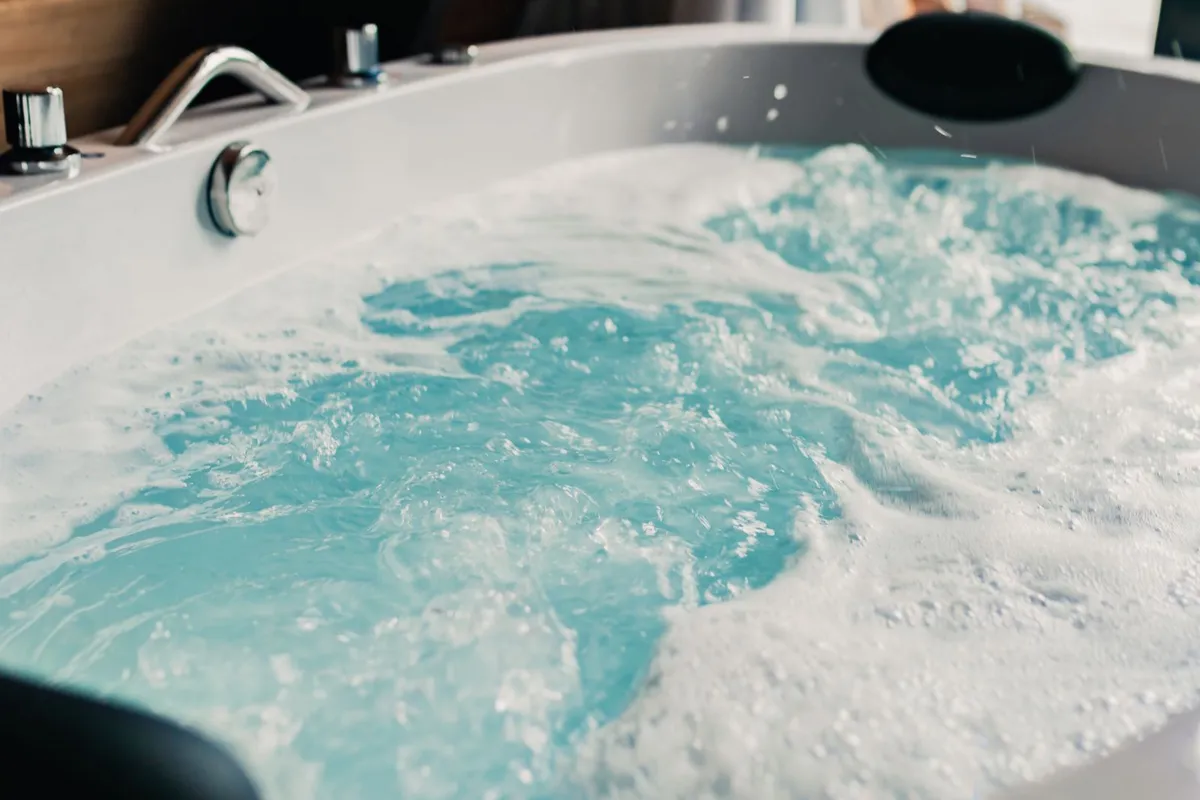
Is it clear and odorless? Or is it foamy? Murky water is a bad sign.
Another area to pay attention to is the water odor. A low percentage of chlorine is acceptable, but not otherwise. If you smell harsh chemicals or high levels of chlorine, avoid using the water.
Ask about the Cleaning Schedule
Ideally, a hotel jacuzzi deserves daily cleaning. Hence, it makes sense to ask your hotel’s staff about the maintenance routine. Don’t be shy to ask them as it is a necessary question to care about your safety.
A few questions worth asking:
How often are the disinfectants, pH, and alkalinity levels checked?
Can you access the last inspection results?
Is there a competent staff member to assist in case of emergency?
However, most standard hotels follow strict protocols, but you want to check online for reviews to clear your doubts.
Water Testing
One thing I do during my stays is ask for exact parameters. Most hotels will share the same or get a strip and test it for you.
This step applies to hot tubs, since jetted tubs are filled with plain tap water.
Here’s what ideal parameters look like:
Chlorine: 3–10 mg/L (ppm). Higher can irritate skin. Lower may not kill germs.
Bromine (used instead of chlorine in some tubs): 4–8 mg/L. Does the same job as chlorine.
pH: 7.2–7.8, and 7.6 is the sweet spot. Low pH stings the eyes. High pH makes chlorine less effective.
Alkalinity: 80–120 ppm. Keeps the pH steady.
Pure neutral is pH 7.0, but hot tub water works best when it is slightly alkaline.
Bonus tip: Carry a pack of hot tub test strips. They are small and give a result in seconds. For more accurate readings, the Taylor K-2005 kit is a good option. Many hotels also keep a kit at the front desk. If any value is out of range, speak to hotel management right away.
Set the Temperature (Never Above 104°F / 40°C)
The water must not go above 104°F (40°C). That is the CDC’s upper limit, not a target. No single temperature suits everyone. Most people are comfortable between 98 and 102°F. I personally keep mine at 96°F.
If you are filling a jetted tub, check the water with your hand before getting in. Hotel tap water can run hotter than you think.
Learn the Controls
Know how the jets, air knobs, and valves work before you get in. The jet button turns the pump on and off. The air knobs mix air into the jets, so more air means stronger bubbles. The diverter valve, usually the bigger dial, sends water to different sets of jets.
Ask the front desk to show you. Once the water covers the jets, do a test run. Turn on the jets, try each knob, and let them run for a few minutes. Make sure you know where the off switch is.
Note: Never switch on the jets in a jetted tub until the water covers them. Running the pump dry can damage it.
The Right Outfit for Your Soak
Short answer: Avoid cotton; swimsuit, nylon or polyester material works best.
Comfort and hygiene are two important factors to prioritize in selecting the right outfit. A swimsuit is the most preferred choice for most users.
However, ensure your swimsuit is thoroughly rinsed of detergents and lotions, as these products can cause foaming and unbalanced chemicals, respectively.
Another area to pay attention to is the outfit material. Nylon and polyester materials are a great choice for using a jacuzzi, thanks to their high durability, ease of drying, and high resistance to chlorine and bromine.
However, avoid T-shirts or underwear made from cotton. Cotton outfits absorb water, shed lint, and block filters quickly.
Note: Take off your jewellery and accessories before you get in, since they can react with the chemicals or the hot water.
What to Do Before You Step In
Take a quick shower. Rinse off dirt, lotion, and sweat, since they throw off the water chemistry and can change the water color.
Use the restroom before soaking, especially if you have little ones with you. Hot water triggers the urge to urinate, and you don’t want to step out mid-soak.
Keep a towel or robe within reach.
If you have any open wounds or scratches, skip the jacuzzi. Hot water can make them worse.
Step in slowly. No jumping or diving.
Don’t swallow, spit, or blow your nose in the water. It’s disgusting and unsanitary.
How to Safely Enjoy Your First Soak
Here’s a question I get a lot: can kids get in the jacuzzi? My answer for kids under 5 is always no. According to the CDC, children under 5 should not use a jacuzzi, because their bodies can’t handle heat well. Older kids should only go in with an adult, at a lower temperature, and for a shorter time.
Limit Your Soak Time
The maximum time to spend in your hotel room jacuzzi is between 15 and 20 minutes per use. This is because the body temperature rises quickly due to heat.
A study by The American Journal of Physiology reported that hot water causes vasodilation and reduces blood pressure, which you don't want.
Stay Hydrated
Hot water causes dehydration. Hence, ensure you drink water before and after your soak. Most people keep a bottle of water nearby.
Avoid Alcohol
Don't drink before and during your soak. Hot water increases alcohol absorption into the body. If you must take alcohol, drink in slow sips.
Respond to Lightheadedness
If you are feeling lightheaded, step out of the jacuzzi slowly and rest. Ensure to keep a towel nearby for easy access.
If the temperature outside is extremely cold, wait 5 minutes after leaving the jacuzzi before exposing your body to the cold. This is to prevent temperature shock.
Couples and Romance: Tips for a Relaxing Soak
Celebrating something special with your partner? An in-room jacuzzi screams romance, but it helps to plan ahead.
Start by setting the mood. Light a few candles, dim the lights, and play some soft music.
For intimacy, stick to silicone-based lubes. Water-based lubes wash off in the water, and oil-based ones leave a residue behind.
Lastly, respect other guests’ privacy and keep the noise down.
When to Avoid the Jacuzzi
Some situations call for extra caution. Skip the jacuzzi, or check with a professional first, if:
You’ve had too much to drink. Heat and alcohol don’t mix well.
You’re pregnant. Check with your doctor before using a jacuzzi.
You have high blood pressure or a heart condition. Talk to your doctor first.
You have open wounds or cuts.
The water smells strongly of chemicals or looks cloudy or foamy. Get out right away and tell the front desk.
Your child is under 5. See our answer at the top.
After Soak Care
Drink plenty of water, since the heat dehydrates you.
Take a shower to rinse the chemicals off your skin and prevent itching.
Hang your swimwear to dry. Damp suits can grow mold.
If you used a jetted tub, drain it. If it’s a hot tub, put the cover back on. Leave the area tidy.
Conclusion
It’s common to feel nervous using a hotel room hot tub for the first time, but you don’t have to be. Hot tubs are designed to help you relax. And trust me, once you get used to one, it’s hard to plan a vacation without it.
All you need to do is follow the safety steps you’ve learned here: inspect the water, keep it under 104°F, limit your soak to 20 minutes, and stay hydrated.
Before you go, here’s how TubStays can help.
TubStays is a dedicated platform for finding experiential stays with private hot tubs across the US, and it’s soon expanding to the UK. Every listing is verified, and guests regularly share their experiences. That way, you know exactly what you’re getting before you check in.
About Ritesh Kumar
Contributing writer at TubStays Blog